




Salou / News / Salou
Salou Calls for a Local Funding Model Adapted to the Reality of Tourist Municipalities
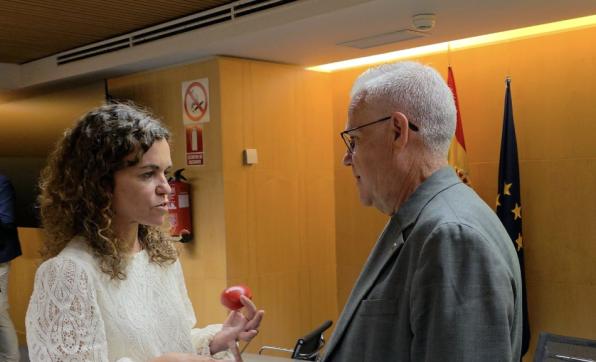
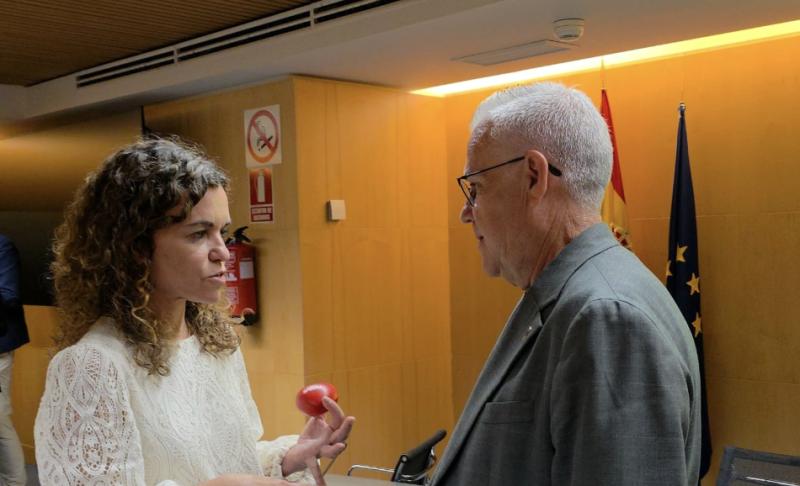
The Salou City Council has called for a new local funding model that reflects the real needs of tourist municipalities and ensures the provision of high-quality public services without placing an unfair financial burden on residents. Mayor Pere Granados presented this proposal to the Secretary of State for Tourism, Rosario Sánchez, during the assembly of the Alliance of Sun and Beach Tourist Municipalities (AMT), held in Madrid.
Granados argued that the current funding system should no longer be based solely on the registered population but should also take into account the number of visitors received by destinations such as Salou. Although the municipality has a resident population of around 33,000, it welcomes nearly three million visitors every year.
This high volume of tourism requires the City Council to reinforce essential public services, including street cleaning, beach maintenance, waste collection, mobility, and public safety. In the area of public safety alone, the City Council allocates more than €6 million annually to the Local Police to ensure the safety and well-being of both residents and visitors.
According to the mayor, the current funding model does not adequately compensate for this additional financial burden, leaving Salou with an estimated annual funding shortfall of around €14 million compared with other Catalan municipalities of a similar size but with significantly lower tourist pressure.
Granados also noted that this proposal has recently been submitted to the Government of Catalonia, urging it to ensure that the future Catalan Local Finance Law recognises the specific needs of tourist municipalities. The objective, he said, is to establish a fairer funding system that will maintain the quality of public services, preserve the competitiveness of the destination, and reduce the tax burden on the residents of Salou.
REQUEST MORE INFORMATION BY EMAIL