




Salou / News / Culture
Salou: Modernism and Historical Memory to Recover the Past and Shape the Future
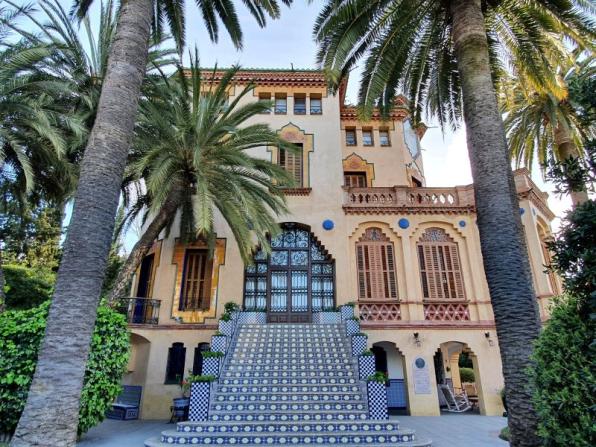
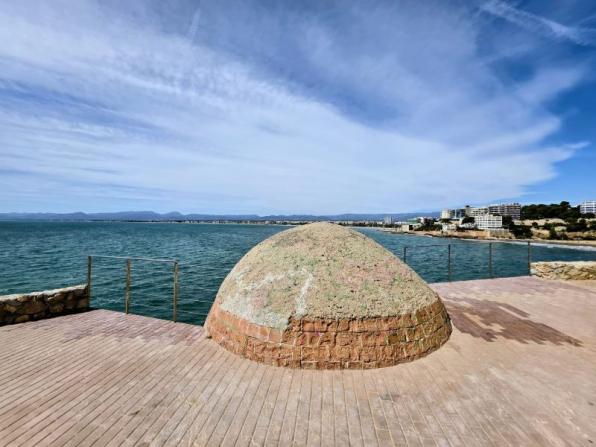
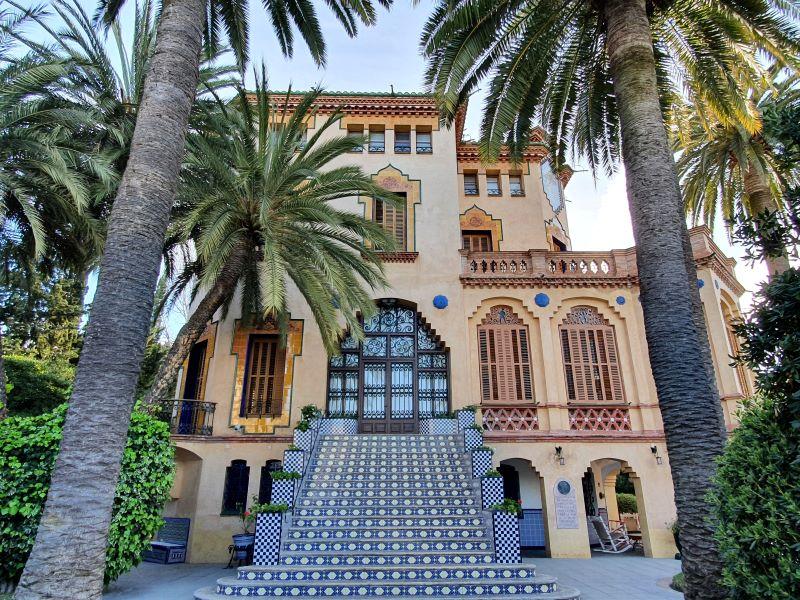
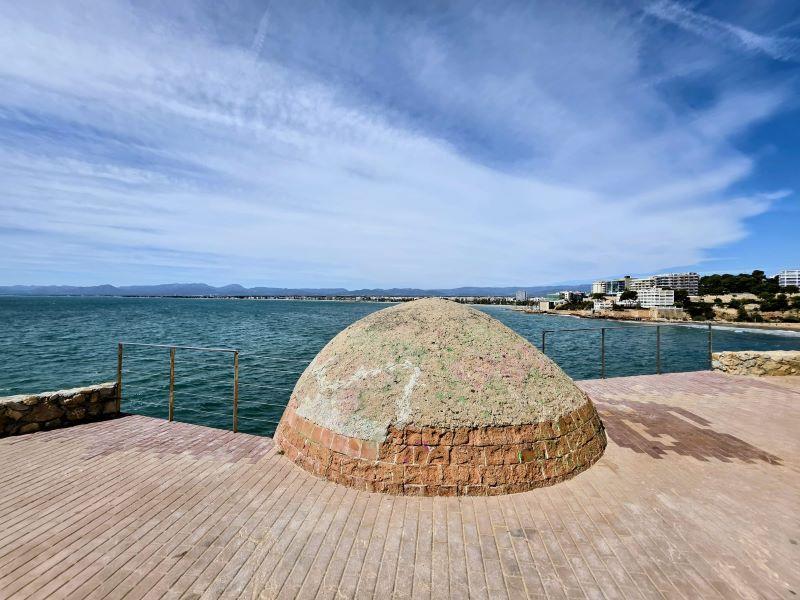
Salou is consolidating its cultural transformation through two itineraries that showcase a surprisingly rich historical heritage. The aim is to reduce seasonality and offer high-value experiences through the recovery and promotion of local heritage. Beyond positioning Salou as an innovative, high-quality tourist destination, this heritage has also become a source of pride for local residents.
Today, walking through Salou is also a journey through time: from the bourgeois splendour of the Belle Époque to the turbulent years of the Spanish Civil War, all framed by the natural beauty of the coastline and the Coastal Path.
PASSEIG JAUME I: THE SPLENDOUR OF THE BOURGEOISIE AND GAUDÍ'S LEGACY
At the beginning of the 20th century, the economic prosperity of Reus—located just 10 kilometres away—encouraged wealthy families to seek their ideal summer retreat in Salou. The result was a collection of architectural gems that today form the Modernist and Noucentista Route of Salou, an itinerary featuring 14 emblematic buildings and structures.
Most of these architectural landmarks are concentrated along Passeig Jaume I, originally designed by architect Josep Simó i Bofarull. Among the route's highlights are:
- Xalet Bonet (Voramar) (1921): the crown jewel of the route. Designed by Domènec Sugrañes i Gras, a direct disciple of Antoni Gaudí and his successor on the construction of the Sagrada Família, this remarkable building was commissioned by textile entrepreneur Ciriac Bonet.
- Xalet Torremar (1928–1929): now home to the Municipal Tourism Board, it is an elegant example of the architectural dynamism of the period.
- Apartaments Sol i Mar: a historic milestone as the first apartment building constructed in Catalonia. Saved from demolition thanks to citizen mobilisation, it has now been fully restored.
- Fort Chalet: a prime example of heritage being returned to public use. Now municipally owned, it houses the first Chair of Tourism Innovation and Research on the Costa Daurada, established by the Rovira i Virgili University (URV).
TECHNOLOGY AT THE SERVICE OF HISTORY
Each building along the route features an information plaque and QR code. By scanning it, visitors can access audio guides in four languages (Catalan, Spanish, English and French), as well as a collection of historical photographs.
PUNTA DE PORROIG: A CIVIL WAR TREASURE RECOVERED BENEATH A SQUARE
While Passeig Jaume I tells the story of leisure, architecture and the beginnings of tourism, Cap Salou reveals the municipality's strategic importance in military history through the machine-gun bunkers of Punta de Porroig, now restored and open to visitors as part of the Route Through Salou's History.
These fortifications were built between 1936 and 1939 by the Republican Government and the Generalitat of Catalonia. Their purpose was to defend the coastline against a potential landing by Franco's forces and to protect the area from the constant bombings carried out by Italian aviation operating from Mallorca. Cap Salou was chosen for its strategic location, offering extensive views over the Gulf of Sant Jordi.
What makes Punta de Porroig particularly remarkable is its recent history. The bunkers remained hidden beneath a public square from the 1970s onwards. Thanks to this unexpected preservation, they have survived in an exceptional state of conservation and visitors can now explore their complete structure, including:
1. Underground galleries and interior chambers.
2. Two firing positions overlooking the sea.
3. A future exhibition featuring period machine guns on loan from the Spanish Ministry of Defence.
Salou aims to transform the recovery of these bunkers into a symbol of reflection on peace, particularly for younger generations.
A COMPLETE CULTURAL EXPERIENCE BY THE SEA
One of the greatest attractions of this proposal is the way history and nature come together. Most of the Civil War sites included in the historical route are integrated into the Coastal Path, allowing visitors to combine historical discovery with a spectacular Mediterranean coastal walk.
DON'T MISS IT:
- Guided tours: held on the third weekend of every month, offering detailed insights into the history of the bunkers.
- Self-guided visits: the route includes information panels, graphic materials and free digital resources.
The discovery of Salou's 20th-century history coexists harmoniously with the municipality's other major archaeological treasures: the Kallipolis settlement (4th century BC) and the Roman villa of Barenys (1st century BC).
For all these reasons, Salou has become a benchmark in the recovery and enhancement of architectural, historical and cultural heritage. By placing this heritage at the service of both residents and visitors, Salou projects itself as a high-quality tourist destination and as a municipality proud of its past and confident in the future it is building.
REQUEST MORE INFORMATION BY EMAIL




Booking hotels